

What are ARA & DHA
ARA
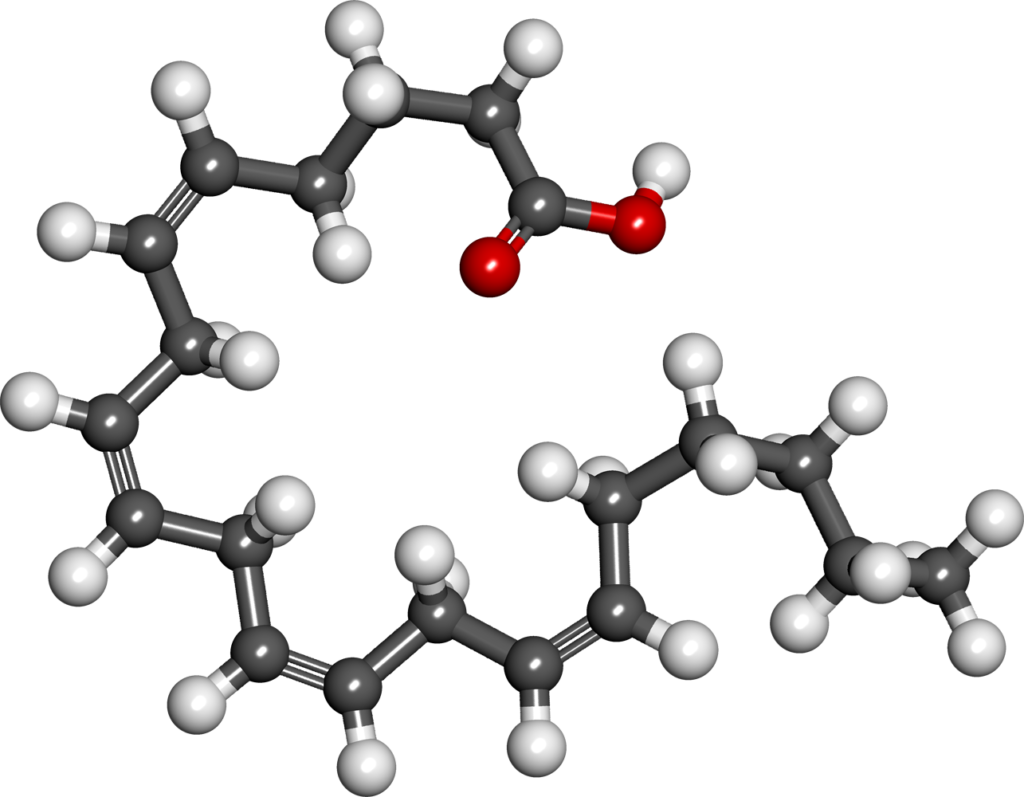
Arachidonic Acid, or ARA, is an omega-6 long-chain polyunsaturated fatty acid (LCPUFA) that plays a crucial role during early life when organs and systems are rapidly developing. Here’s what makes ARA so important:
Part of Every Cell
ARA is naturally found in the phospholipids that make up our cell membranes. It helps keep these membranes flexible and functional, allowing cells to communicate, grow, and repair themselves efficiently.
Found in Vital Tissues
ARA is especially abundant in the brain, muscles, and blood vessels. In the brain, it supports neural growth and signalling essential for learning, memory, and sensory development. In muscles and blood vessels, it supports movement and circulation.
A Building Block for Immune & Inflammatory Responses
ARA also serves as a precursor for molecules called prostaglandins and leukotrienes. These are important for regulating inflammation, blood flow, and the immune response—functions that are particularly critical for infants as they grow and respond to their environment.
DHA
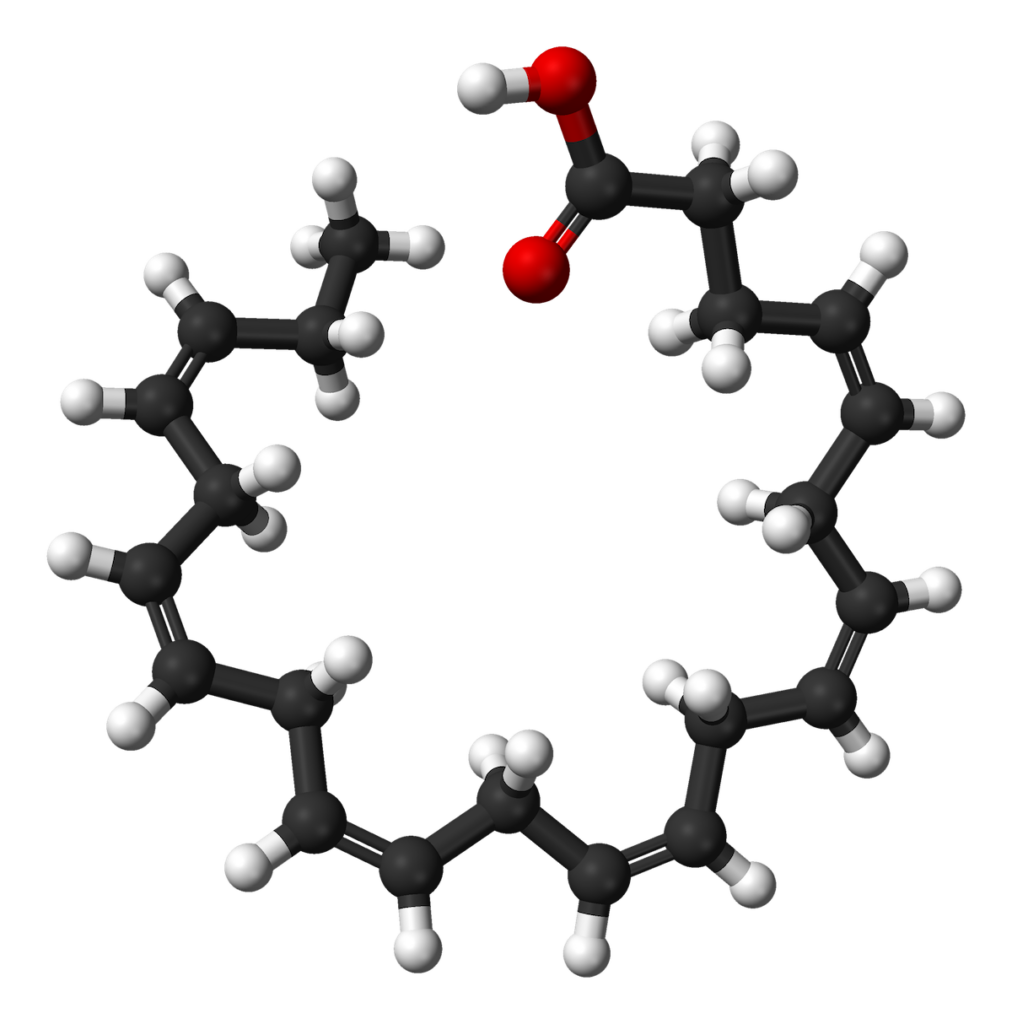
DHA, or Docosahexaenoic Acid, is an omega-3 long-chain polyunsaturated fatty acid (LCPUFA) that plays a critical role in the development of the brain and eyes. Here’s why DHA is so essential for infants:
A Major Component of the Brain and Retina
DHA is a structural fat that makes up a large portion of the grey matter in the brain and the retina of the eye. It’s especially concentrated in areas responsible for processing vision, memory, and emotion. In fact, nearly 40% of the polyunsaturated fatty acids in the brain and 60% in the retina are DHA.
Supports Cognitive Development
DHA is essential for the formation of neural connections and healthy brain signalling. Adequate DHA levels in early life are linked to improved cognitive function, attention, and problem-solving abilities.
Promotes Healthy Vision
Because DHA is a key structural component of the retina, it directly supports the development of sharp vision in infancy. Low levels of DHA in early life may affect visual acuity and processing.
How DHA & ARA Work Together: A Powerful Pair for Infant Development
Balanced Brain Development
DHA is highly concentrated in the grey matter of the brain, where it helps build neurons and supports brain signalling. ARA, meanwhile, plays a crucial role in the structure and function of cell membranes and supports neural communication. Together, they ensure that the brain has the right tools for both structure and function.
Vision & Retina Maturation
While DHA is a major component of the retina and helps sharpen visual function, ARA also contributes to healthy eye development by supporting blood flow and cellular growth in the retina. This partnership helps promote healthy, coordinated visual processing in infants.
Immune Function & Inflammation Control
ARA is a key building block for molecules like prostaglandins and leukotrienes, which help regulate inflammation and immune responses. DHA also influences the immune system by helping resolve inflammation and promoting immune balance. Together, they help the body respond appropriately to stress, illness, or injury, especially important in vulnerable preterm infants.