

ARA and DHA – essential building blocks
Supporting Preterm Infants from the Very Start: Why DHA & ARA Matter
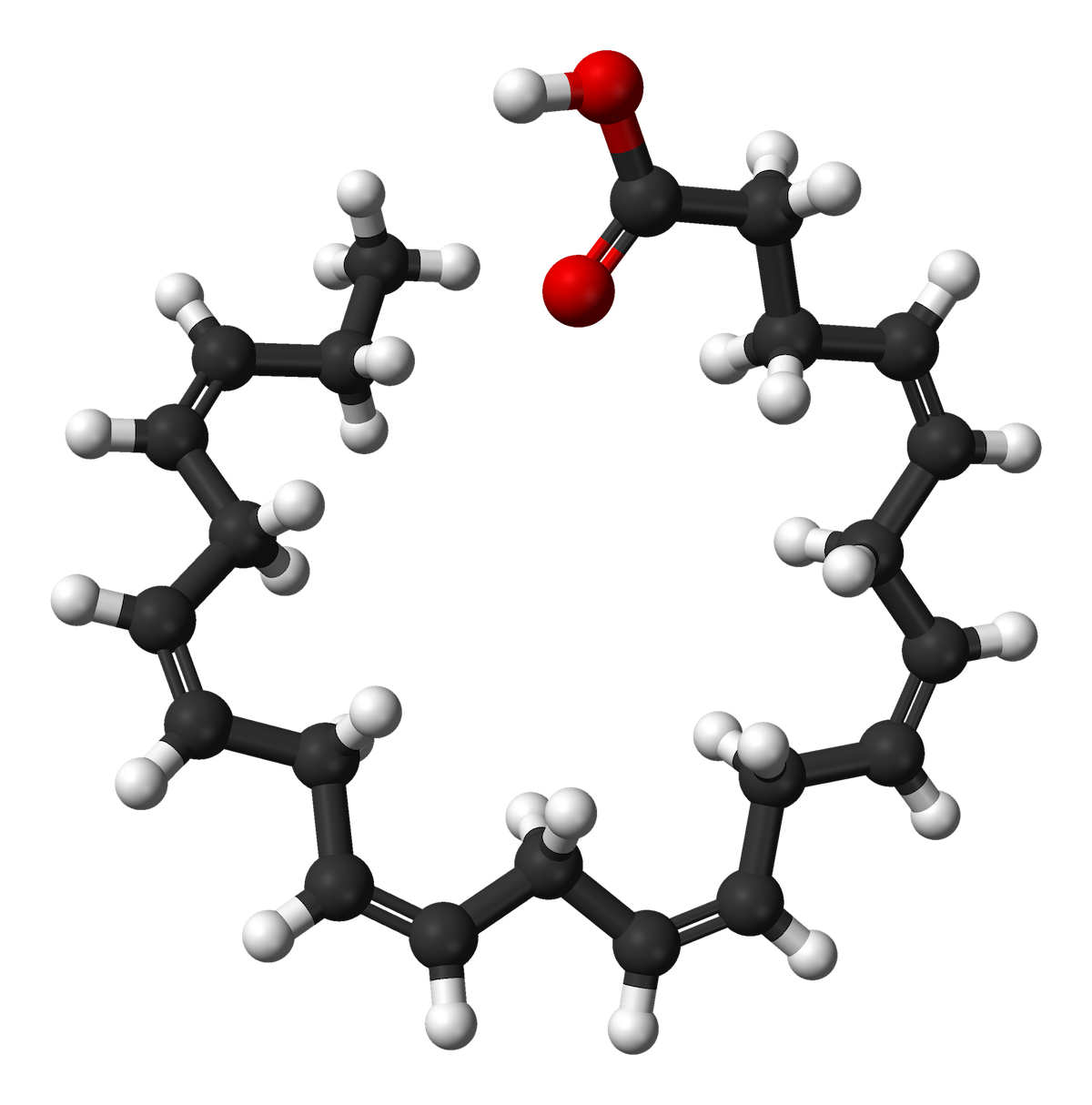
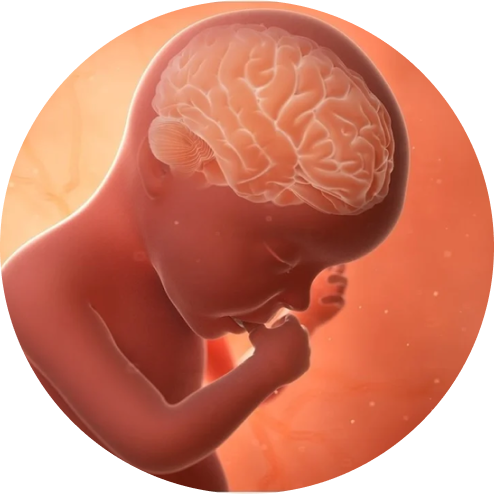
Every baby’s journey begins in the womb, but for preterm infants, that journey is cut short before some of the most important stages of development are complete. One of the most critical processes that peaks during the third trimester of pregnancy is the transfer of two special nutrients from mother’s placenta to infant: DHA (docosahexaenoic acid) and ARA (arachidonic acid).
These omega-3 and omega-6 long-chain fatty acids are vital for healthy growth, especially for the brain, eyes, and nervous system. The placenta is designed to actively deliver DHA and ARA during late pregnancy when brain development accelerates. In fact, this is when an infant’s brain and retina begin to accumulate these fats at extraordinary rates.

What Happens When This Supply Stops Early?
When a baby is born prematurely, this transfer ends early. And because preterm infants have limited ability to produce DHA and ARA on their own from other fats in their diet, these fatty acids become “conditionally essential”. This means they must be supplied through nutrition after birth to meet the infant’s needs.
ARA and DHA: Essential Building Blocks for Foetal Life
DHA and ARA are critical during the first weeks and months of life. Scientific research show that these nutrients support:
- Brain development and cognitive growth
- Vision and retina formation
- Immune system function and cell communication

A Balanced Intake is Important
The key to healthy development isn’t just having DHA or ARA, it is having the right balance of both. Too much of one without the other can disrupt growth. That is why expert guidelines, like those from the European Society for Paediatric Gastroenterology, Hepatology and Nutrition (ESPGHAN), recommend providing both DHA and ARA in infant nutrition, especially for preterm infants who miss out on the natural transfer of these fatty acids before birth.
- ESPGHAN recommends an ample intake in the following amounts
- ARA intake of 30-100 mg/kg/d
- DHA intake of 30-65 mg/kg/d
- Human breast milk contains ARA:DHA in a balanced 2:1 ratio, but amounts are insufficient to meet the nutritional requirements of preterm infants
- NeoMega36® provides a sufficient and balanced intake of those nutrients in line with the ESPGHAN recommendation:
- ARA intake of 100 mg/kg/d
- DHA intake of 50 mg/kg/d